









easySim: The eSIM built for the way the world actually travels

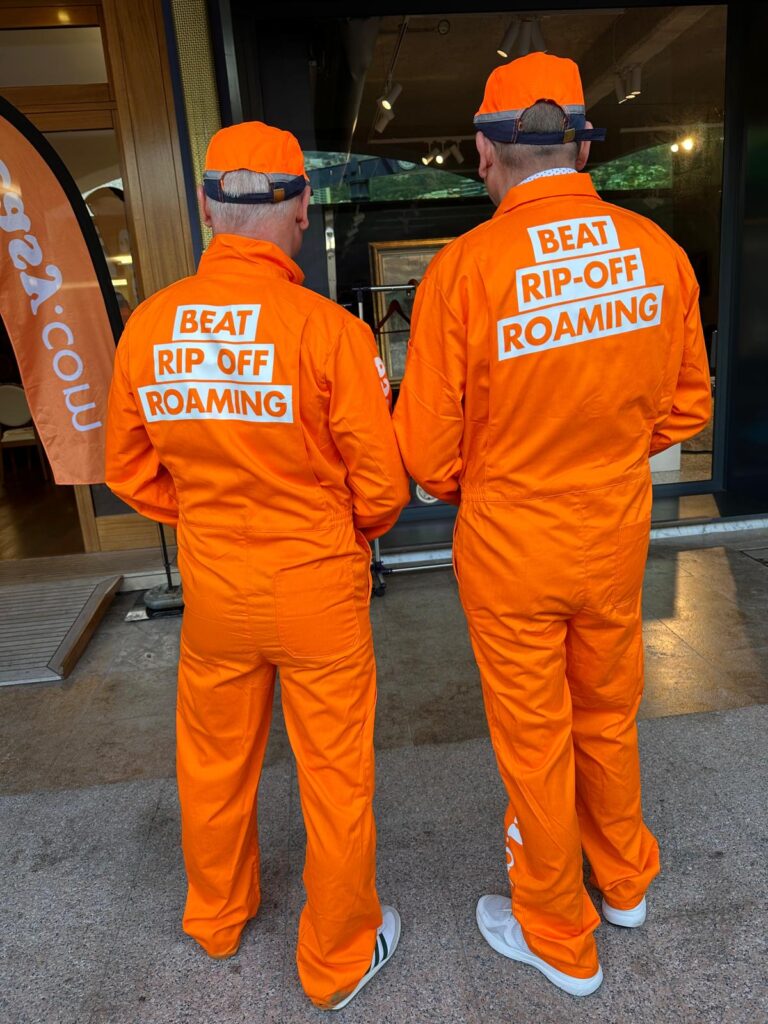
Richard Gwilliam and Jim Guest, Beatles-style, on their way to an easySim conference @easysim
Two months after easySim launched, a Formula 1 team called.
Their roaming bills had become, in the polite language of corporate finance, unsustainable. Thousands of pounds each month, consumed by a travelling operation that criss-crosses continents, time zones, and mobile networks over the course of a season. They wanted a solution. easySim built them one.
It was, for a startup, the kind of early validation that money can’t buy. And for the people behind it, it was proof that the problem they had set out to solve was real and bigger than they had initially imagined.
The problem with being abroad


For anyone who moves regularly between countries, the arithmetic of international roaming has long been quietly painful. Traditional SIM cards mean airport queues, physical cards and a nagging uncertainty about what the bill will look like at the end of the month. Standard roaming rates can escalate with remarkable speed when you’re streaming, sharing or simply navigating an unfamiliar city.
The issue is sharper than many realise in destinations like Monaco, which sits outside the European Union and therefore outside the protections of EU roaming regulations. For visitors arriving from the UK or Europe expecting standard rates, the first few days can produce an unwelcome surprise.
easySim, part of the easyGroup family of brands founded by Monaco-based entrepreneur Sir Stelios, was designed to remove those frustrations entirely.
“People expect to be connected the moment they arrive,” says Richard Gwilliam, co-founder of easySim. “Just like they expect an Uber or a hotel booking to work instantly.”
The service operates through eSIM technology – digital SIMs embedded directly into compatible devices, removing the need for physical cards altogether. Before departure, users select and activate a data plan in minutes via their phone. By the time they step off the plane, they’re already online, across more than 200 countries.

Built for people who move
The appeal spans a wide range of modern travellers: frequent fliers, remote workers, business executives, families on holiday and anyone who has ever landed somewhere new and spent the first hour hunting for Wi-Fi. The common thread is a reasonable expectation that connectivity should simply work – without contracts, without hidden costs and without a trip to a mobile phone shop.
“You see the price upfront, you choose your plan, and that’s it,” says Richard. “No hidden fees or unexpected charges later.”
For the F1 team that came calling in those early weeks, that clarity – combined with a bespoke corporate wallet allowing staff to add data as needed, without administrative back-and-forth – translated directly into cost savings and fewer headaches across a punishing global calendar.
It is, in miniature, the same logic that has driven the broader easyGroup philosophy since the beginning: that complexity, once designed out, rarely needs to be designed back in.
What it means in practice
Activate before you leave. Land wherever you’re going. Open your maps, your emails, your WhatsApp. No queues, no contracts, no bill shock.
For a generation of travellers who have already handed their hotel bookings, boarding passes and dinner reservations to their phones, it is, at last, the last piece of the puzzle.
For plans and pricing: easysim.global