



High-yield tourism strategy: directing disembarking foot traffic toward independent local commerce
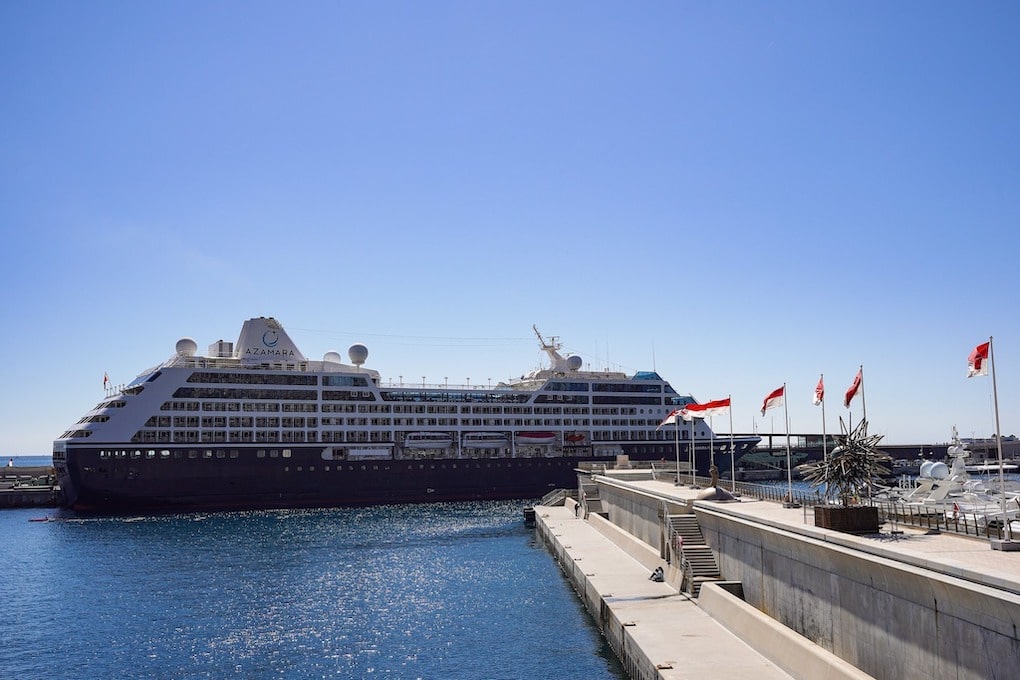
Thousands of passengers step ashore every time a cruise ship arrives, and for many destinations, this surge of visitors is an economic win. However, impressive arrival numbers only tell a part of the story.
The real question is how much of that spending power actually reaches independent cafes, boutiques, galleries and the family-run businesses that give an area its character? That’s where a high-yield tourism strategy becomes an important consideration.
Foot traffic alone isn’t enough for economic success
Busy streets and crowded promenades might suggest that local businesses are thriving, but high volumes of foot traffic don’t automatically equal economic value.
Cruise passengers generally only have a day at most to explore an area, so every decision they make counts. However, with such limited time, visitors have a habit of choosing organised excursions and mainly want to stay close to the port, which means smaller, local businesses are easily overlooked.


That’s why more destinations are working with Mediterranean cruise lines and other operators to shape the visitor experience from the moment people arrive. All it takes is a little thoughtful planning, and the businesses that need it most have the chance to really start benefitting.
Turning short visits into meaningful local spending
Encouraging visitors to spend more locally isn’t about getting them to walk further. It’s more about giving them good reasons to explore beyond the first street they see.
When destinations create spaces that feel welcoming and authentic, it’s only natural for tourists to want to linger and, most importantly, spend. And the real difference lies in the simple touches.
Attractive walking routes better connect the port with the independent shopping districts, food markets and landmarks that people would otherwise miss. Add to this live music, demonstrations and cultural events, and you create memorable moments that people can’t help but pause for.
Even something as basic as clear signage and digital walking guides can make exploring feel a bit less overwhelming, especially for first-time visitors.
Collaborating with small businesses to offer exclusive discounts or tasting trails is another way to provide tourists with extra incentive to explore and distribute foot traffic more evenly.
It’s the genuine experiences and touches that are far more likely to make an impression than generic high streets with all the usual suspects, and it’s something that benefits tourists as well as the local economy.
The lasting ripple effect
The stories people tell when they arrive home are much more valuable than the souvenirs they pick up along the way. When someone remembers the local artist they spoke to or the hidden market they found, it’s only a matter of time before they tell others about it.
Authentic moments are what tourists write in their reviews. And it’s these positive mentions and word-of-mouth recommendations that provide a natural economic boost now and into the future. Hearing about how a place wasn’t just another run-of-the-mill destination is what gets new tourists more curious about paying a visit.
The benefits extend beyond just general tourism, too.
When visitors choose independent businesses, more of their spending stays with the local economy. This, in turn, preserves jobs and supports the people who give a destination the character that makes it a worthwhile place to visit.
Quality over quantity
Cruise passengers may only spend a few hours to a day ashore, but this doesn’t mean their economic impact has to be limited. When destinations think beyond just welcoming visitors and really consider how they move through a place, there’s an opportunity to spread the benefits of tourism more effectively.
Small decisions can influence how tourists spend their time and money in a big way. They also impact how often new visitors will hear about a destination. Overall, these richer experiences have the ability to build stronger, more resilient communities and ensure every arrival delivers more value long after a ship leaves again.