



Princess Charlene invokes Mandela to make the case for sport as a tool for equality before European parliamentarians

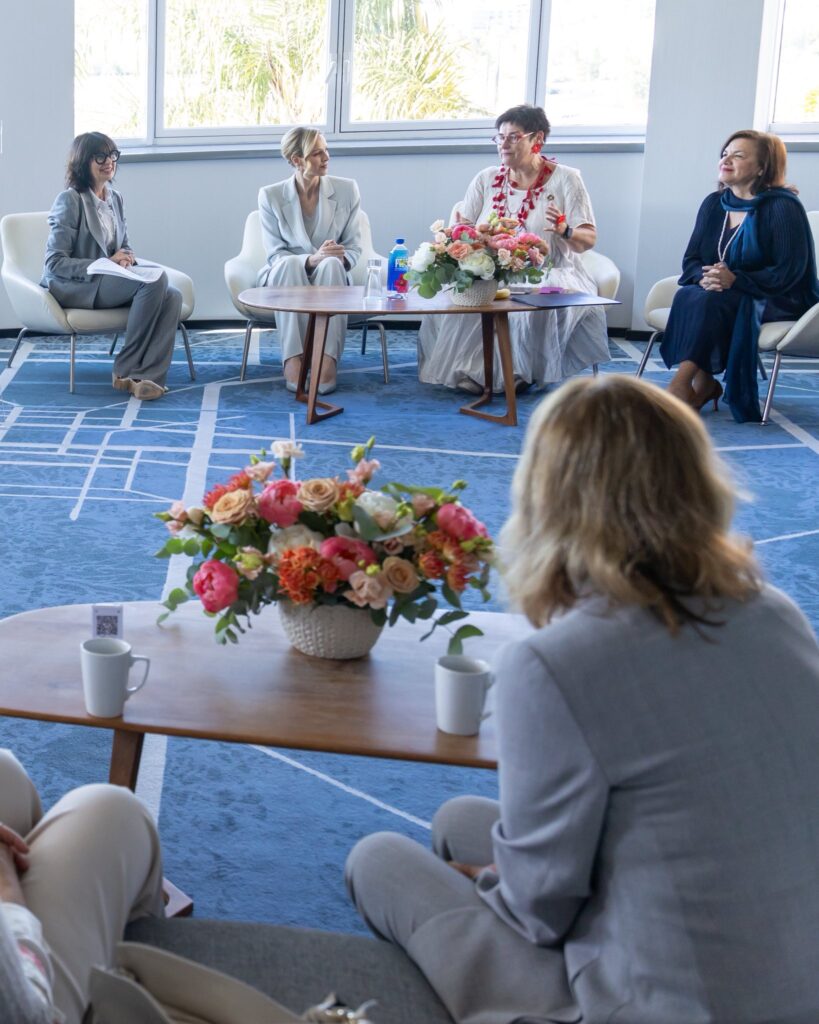
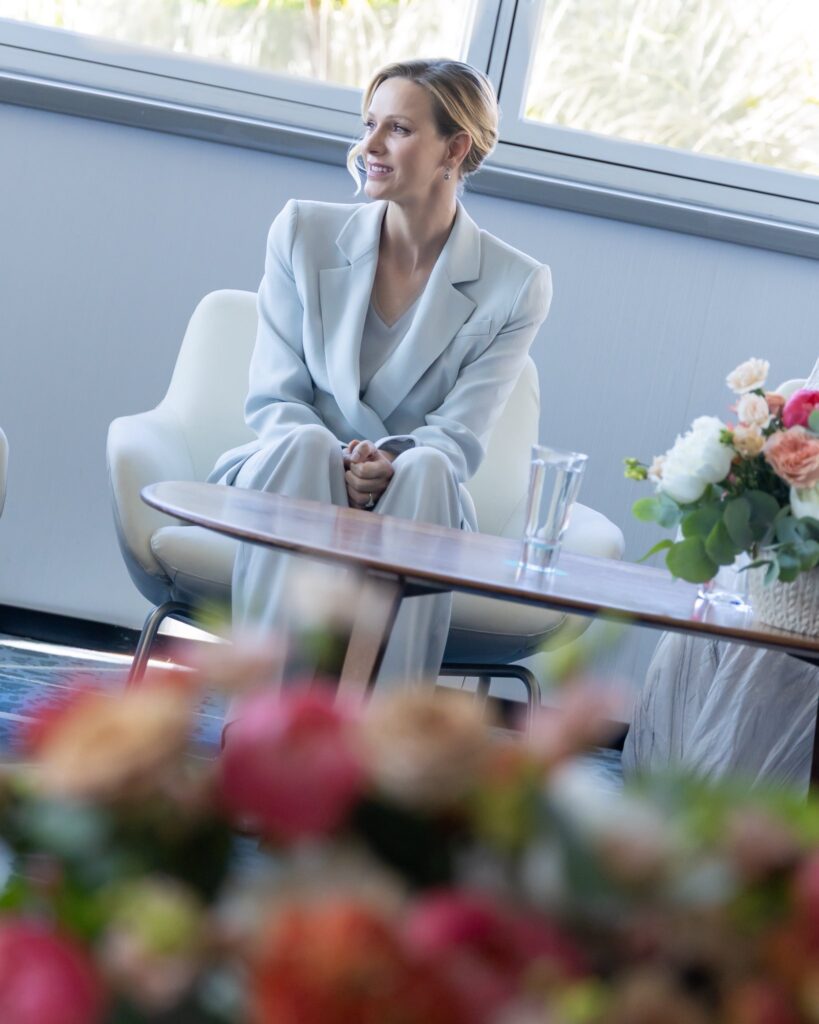
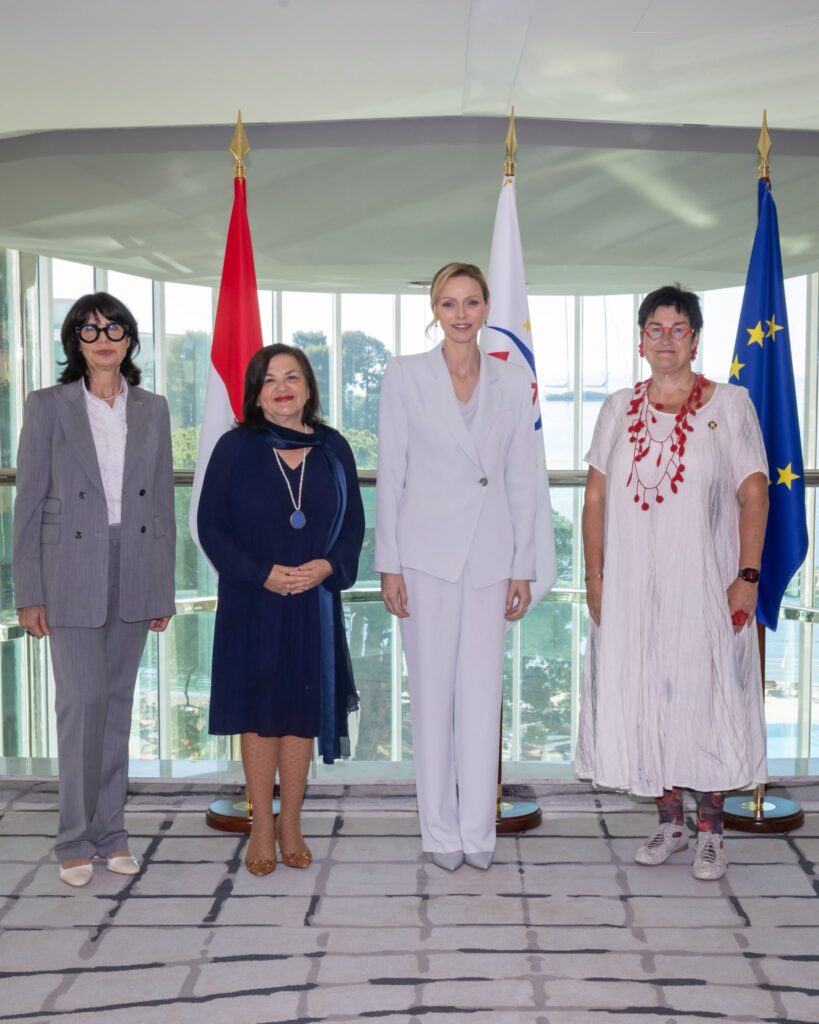
Princess Charlène during her meeting with Femmes@APCE © Frédéric Nebinger / Prince’s Palace
As guest of honour at the Femmes@PACE working breakfast, the Princess made a powerful case for sport as a lever for equality and emancipation, within the framework of Monaco’s presidency of the Council of Europe.
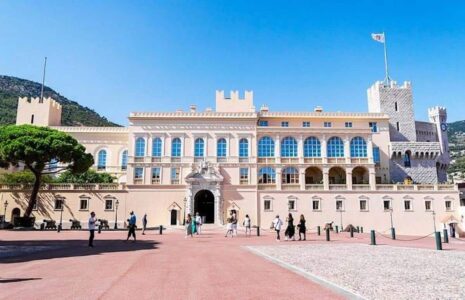
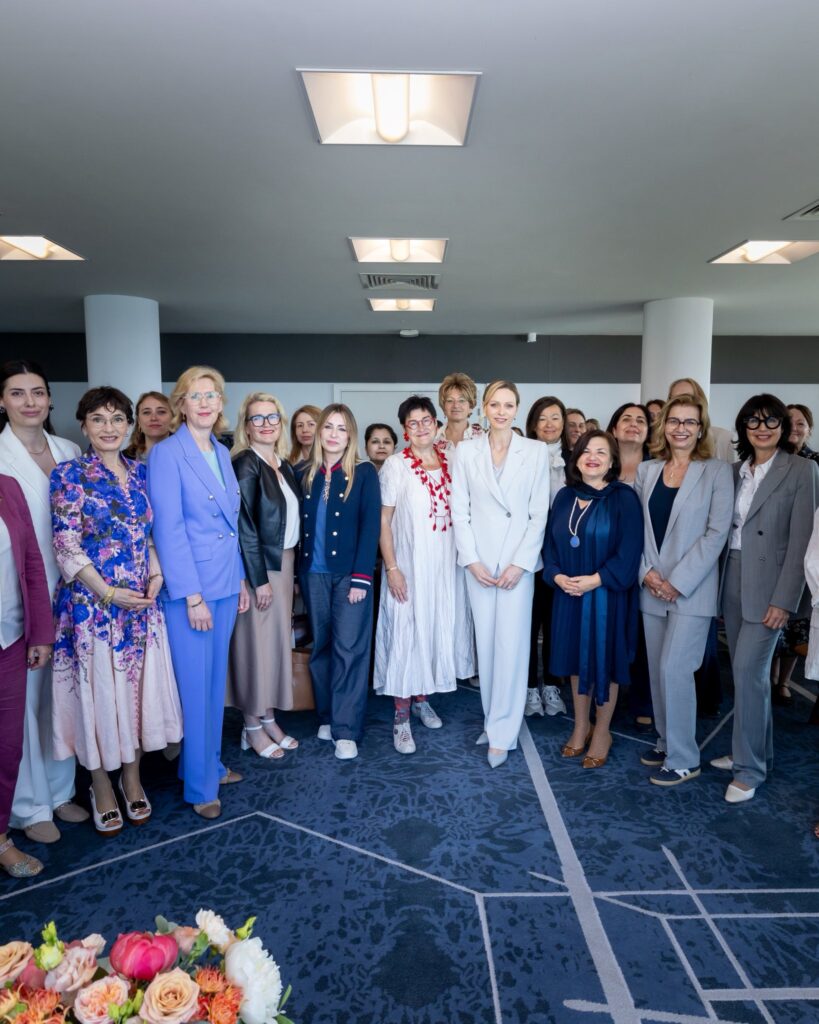
The day after the Princely Couple’s reception for Council of Europe parliamentarians at the Palace, Princess Charlène took the floor as guest of honour at the working breakfast of the Femmes@PACE group of the Parliamentary Assembly of the Council of Europe. Founded in 2022, this non-political, cross-party network brings together the approximately 250 women members of the Parliamentary Assembly to bring a female perspective to bear on issues within the Council of Europe’s mandate.
Mandela, the jersey and the pitch
In her opening address, the Princess recalled that Monaco shares the Assembly’s founding values: human dignity, solidarity and the protection of the most vulnerable. She delivered a strong message on sport as a lever for equality and emancipation, invoking the figure of Nelson Mandela, who “had understood something very powerful: that sometimes, a jersey, a team or a pitch can bring together people whom everything else seemed to divide.”


The speech resonates with her most recent commitments. Appointed Vice-President of the Monegasque Olympic Committee just days earlier, the former Olympic swimmer had declared on that occasion that “sport carries within it an imperative of excellence, but also a responsibility: to bring people together, to inspire and to pass something on.”
The Princess Charlene Foundation in the spotlight
The Princess also presented the concrete work of her Foundation: “My foundation teaches children to swim, raises awareness of water safety and trains people in lifesaving techniques. Water must remain a place of joy, not of pain.” More than 30 participants then shared their own experiences or posed questions, reflecting the considerable interest generated by an address that stood at the crossroads of sport, women’s rights and parliamentary diplomacy.