





In pictures: exploring Monaco’s hidden sea caves
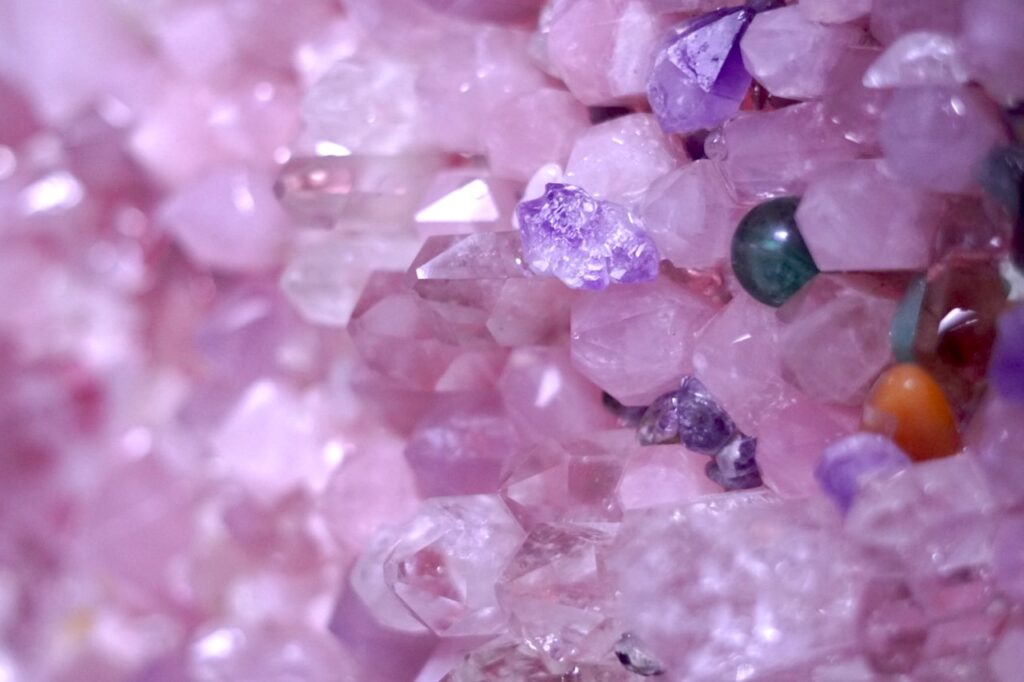
Dans le quartier de Mareterra se trouve une pièce dont les murs sont recouverts de cristaux © Benjamin Godart pour Monaco Tribune
Tucked away at the far end of Mareterra, two little-known rooms invite visitors on a journey through art, engineering and contemplation. Report from the heart of a neighbourhood that continues to reveal its secrets.
You have to venture into the realm of walkers and joggers to find them. Two discreet rooms, each accessible through a hidden door, are tucked away along the coastal promenade of Monaco’s newest neighbourhood. One houses a permanent work of art, the other reveals the very bowels of this jetty jutting out into the sea. And yet, few people know about them.
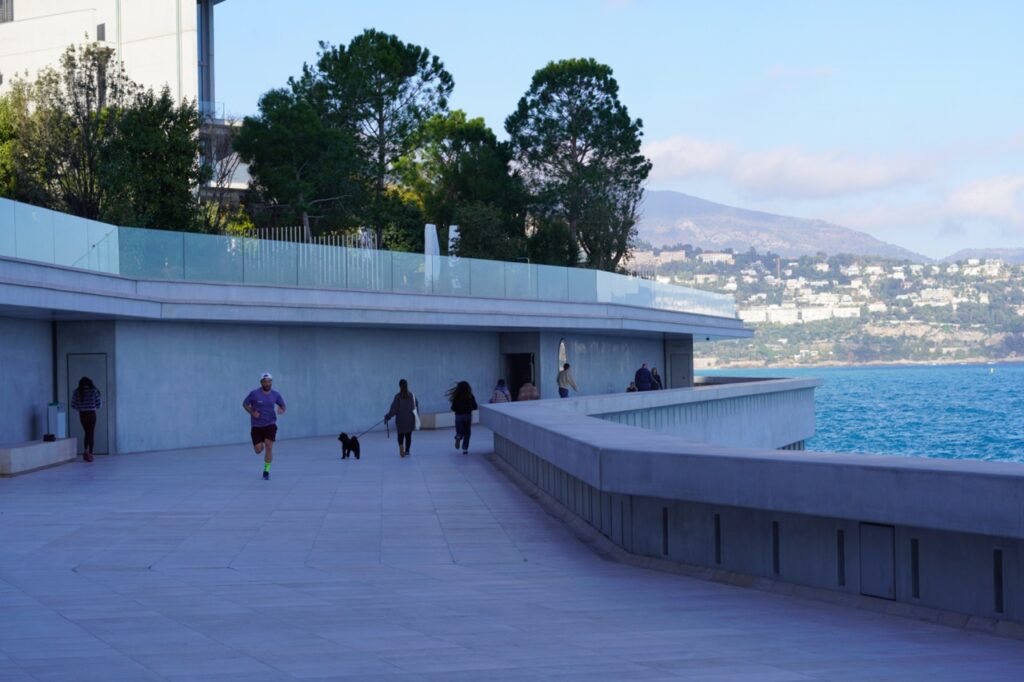
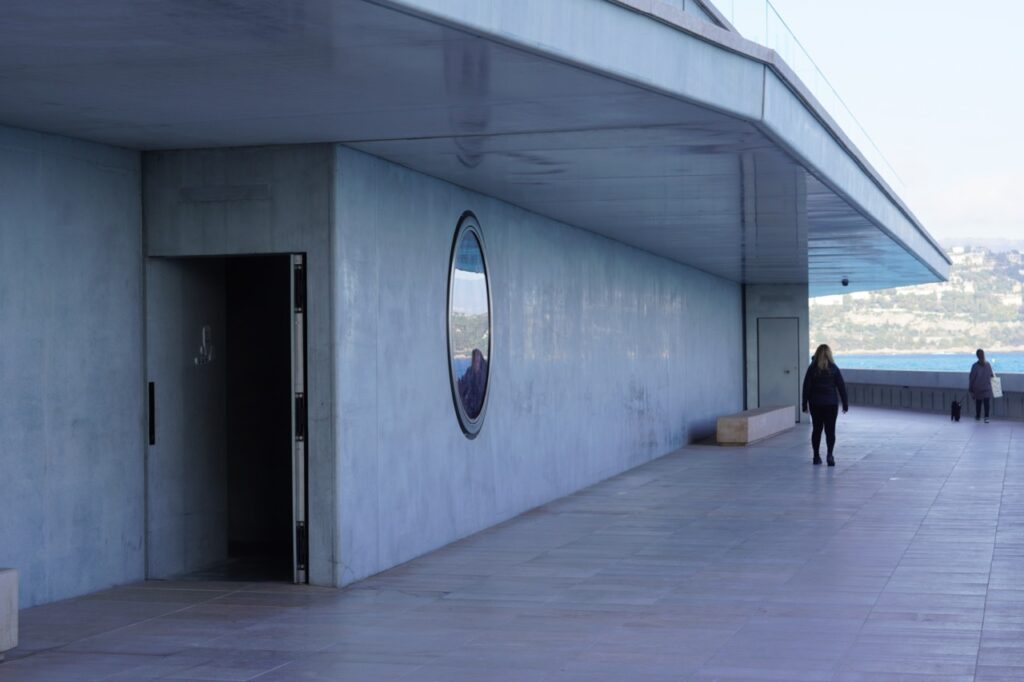
Drops of the Sun: when quartz interacts with light
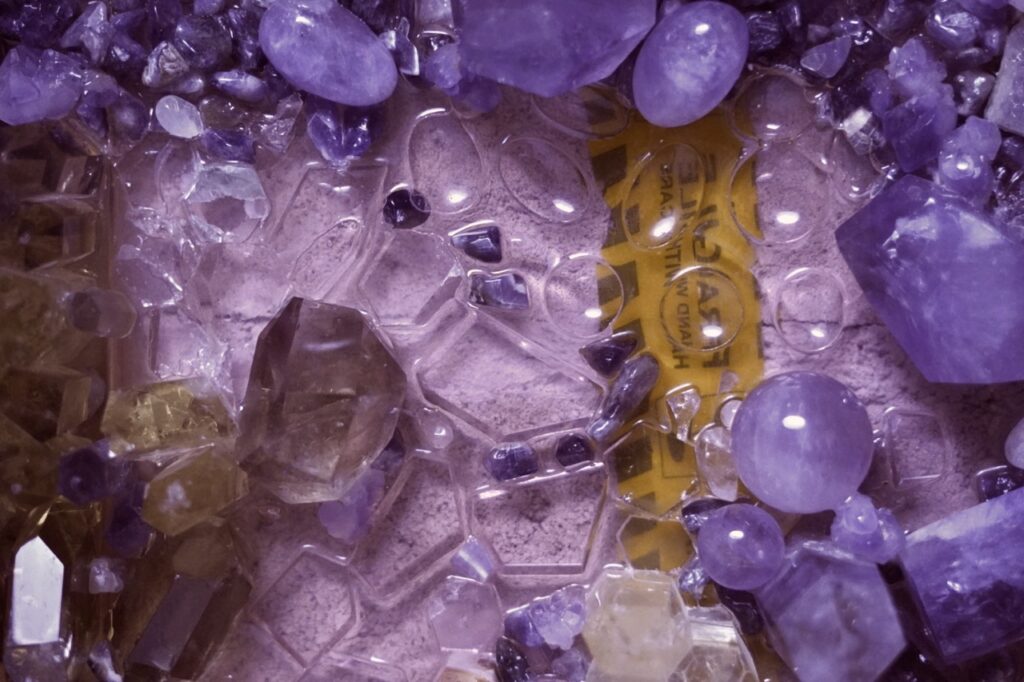
Under a radiant sun, silhouettes intersect in these alcoves of concrete and light. The first room houses Drops of the Sun, a permanent installation by French-Vietnamese artist Tia-Thuy Nguyen. Composed of quartz and natural light, the work covers four walls measuring 2.6 metres high and 5 metres wide. On her website, the artist describes it as a silent dialogue between stone and sun, a meditation on impermanence. Her approach boils down to one question: how can we create a space of calm amid the hustle and bustle of the world?
Aï, a Japanese meditation enthusiast from Charente-Maritime, stopped there with her friend Noriko. The latter hums softly as she places her hands on the stones. ‘It’s a place with a special energy. Can you feel it?’ she whispers, opening her eyes again.
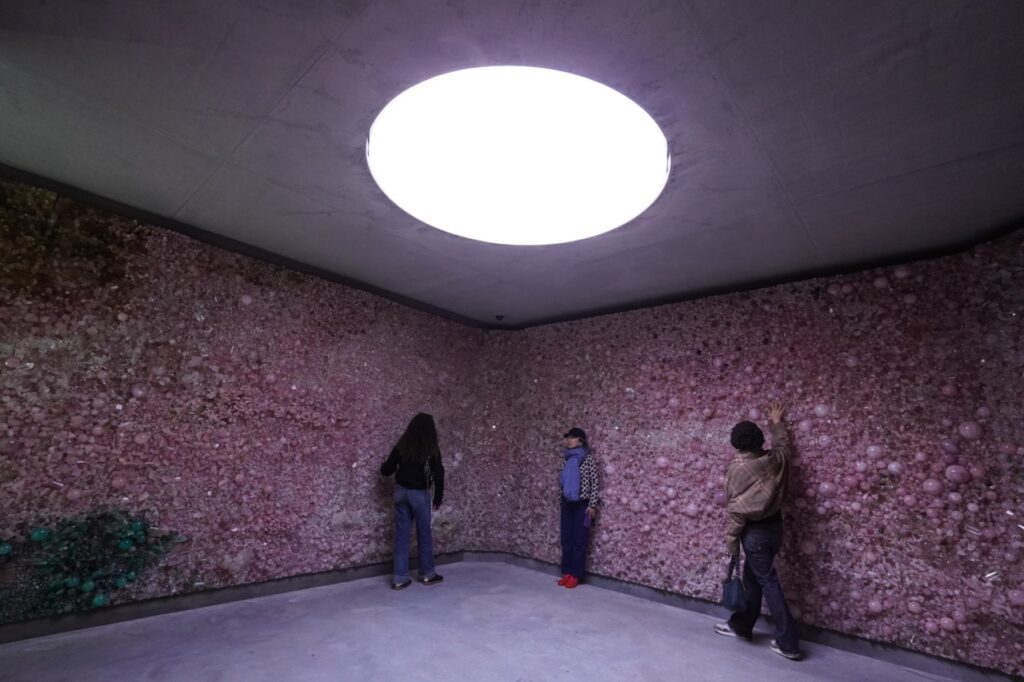
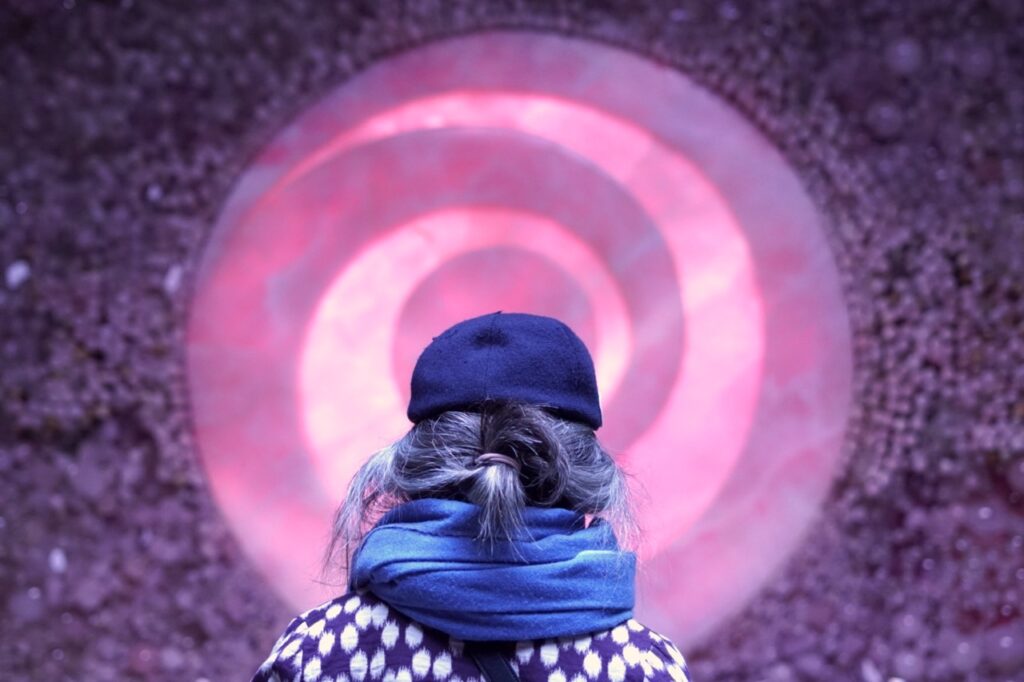
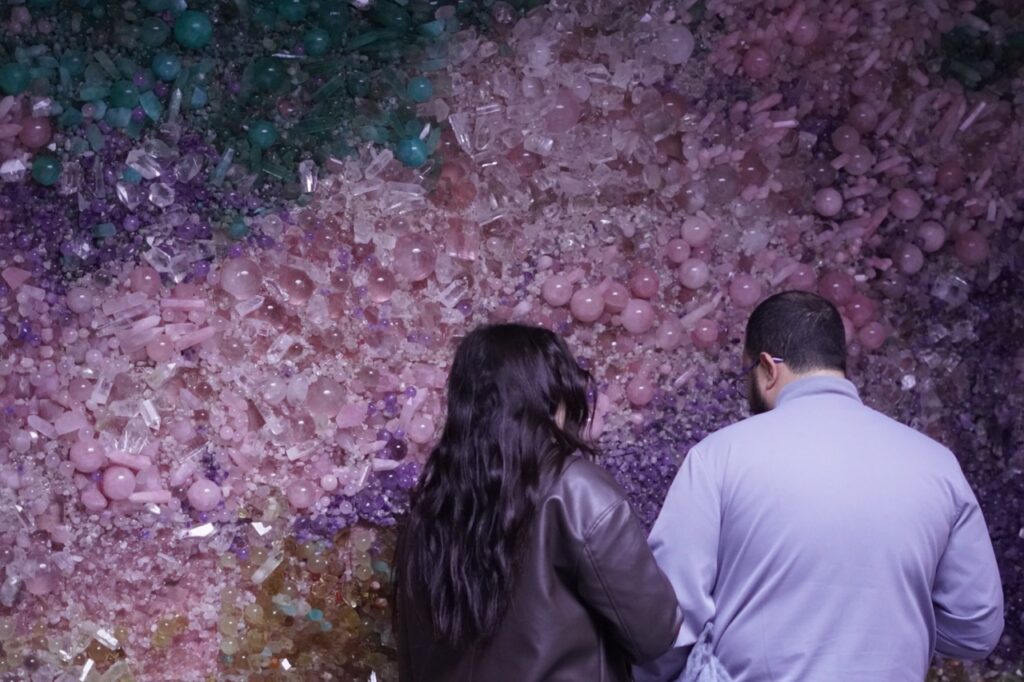
A few lengths away, Noriko, a Monégasque of Japanese origin, watches the scene with kindness. A regular visitor to the site, she confides that she comes here often after visiting the neighbouring Japanese garden. “I live near here. I often pass by, I hear the water from the waterfalls flowing, it’s soothing,‘ she says, before adding a more bitter note: ’Unfortunately, some people regularly try to steal stones. It’s a real shame.” Several places have indeed been stripped bare, despite the constant vigilance of a camera positioned in a corner. This is a regrettable act when you consider that the artist and her collaborators travelled throughout Vietnam to select the right stones. Of six tonnes of raw quartz, four were selected after twelve months of work, each piece polished and then exposed to the sun and moonlight, according to Tia-Thuy Nguyen’s website.
It was here that young Lili found inspiration for a school project on the city of the future. “I imagined buildings on the sea, with a real connection to ecology,” explains the girl, proud of the model that earned her a perfect score. Her mother Elsa smiles: ’We come to Monaco regularly from Auvergne and always try to discover new things with the children. In two years, things have changed rapidly here at Mareterra.”
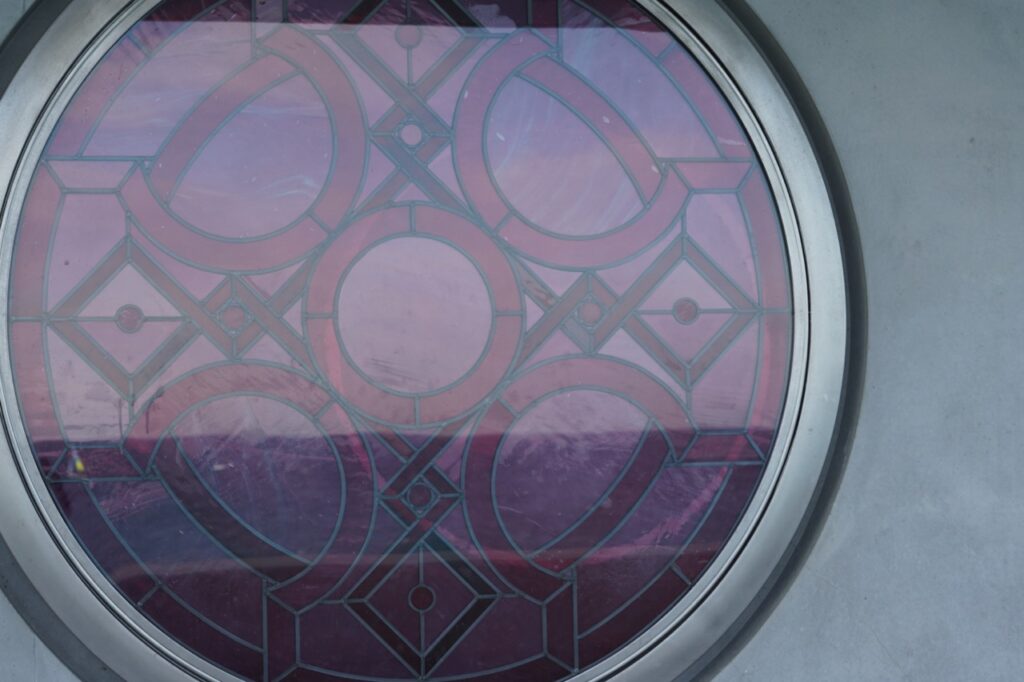
Shortly afterwards, a group of young women take photos of themselves in front of the motif engraved on the wall, while a silent couple is absorbed by the atmosphere.
The Blue Grotto: in the bowels of Mareterra
The second room offers a radically different experience. To access the Blue Grotto, you have to locate the stained-glass window depicting a sun, go through a door that opens onto a room with a screen showing a short video on marine biodiversity. Then you pass through an airlock and find yourself suspended as if on a balcony inside a Jarlan caisson, one of the 18 structures, each 26 metres high and weighing around 10,000 tonnes, on which the neighbourhood rests. Twelve metres deep, the ‘wave breaker’ cavity allows the sea to rush in.
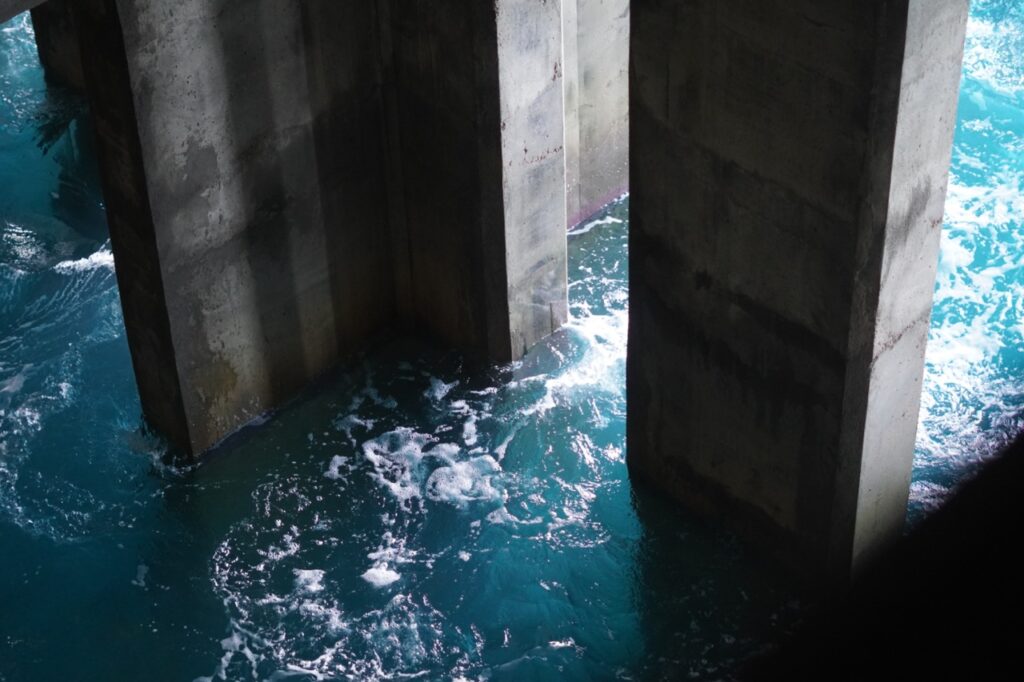
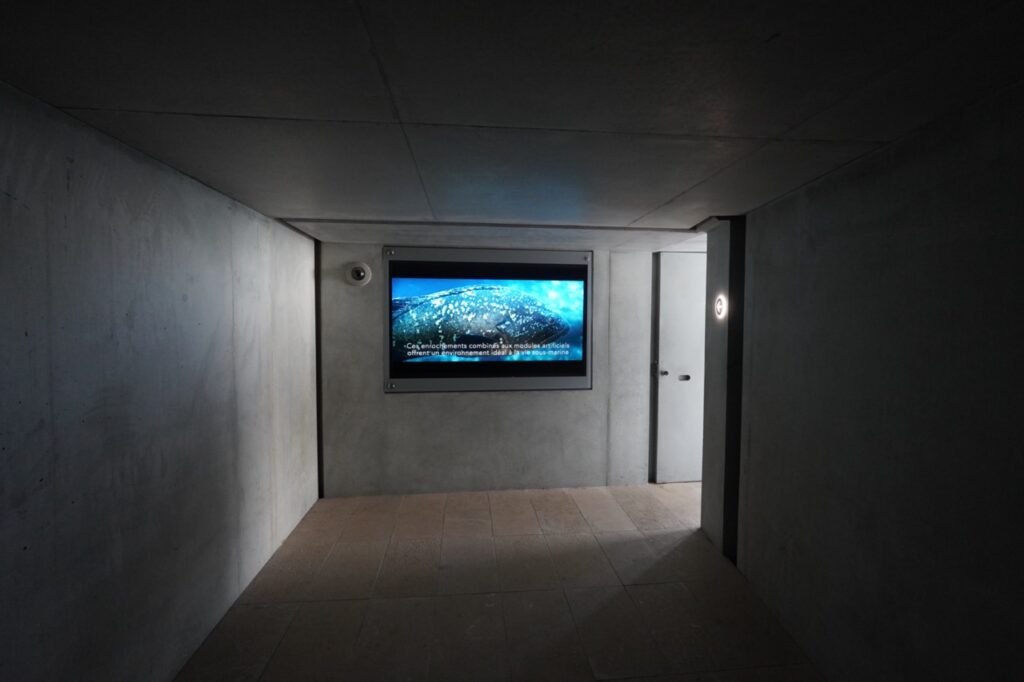
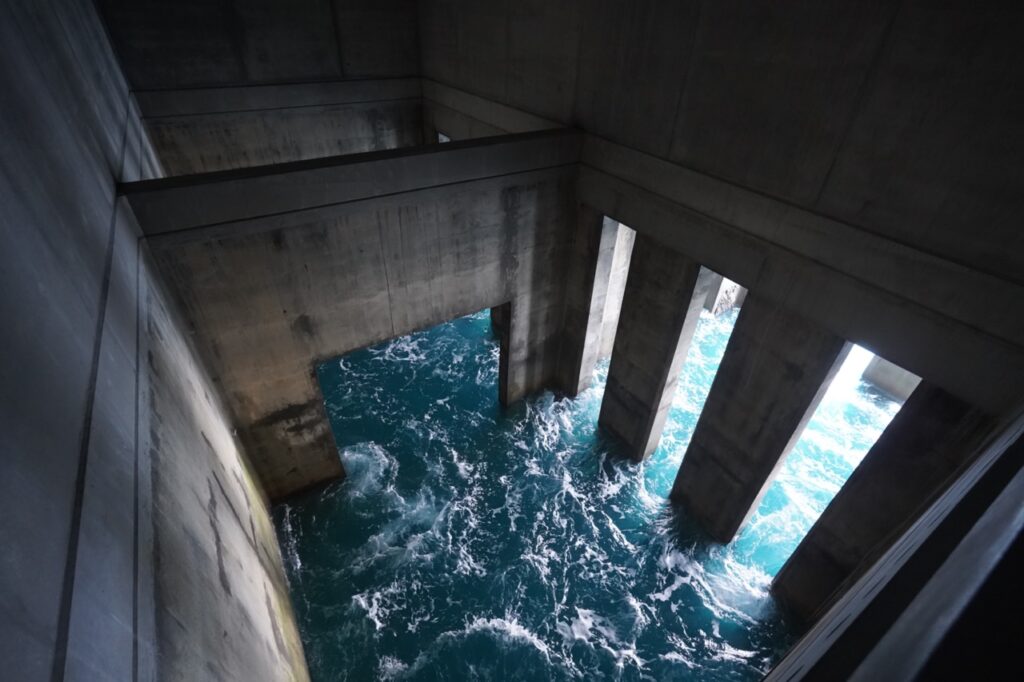
This grotto was not originally included in the initial plans, but it became essential in order to reveal the behind-the-scenes engineering feat to the public. Leaning on the balcony, embracing his partner, Roca Team basketball player Kevarrius Hayes is clearly enjoying himself. Dressed in his jogging gear, the player has no doubt come here to find a little peace and quiet between matches.
The initials of Prince Albert II, engraved in the foundations, serve as a reminder that despite the lightness of Mareterra’s architecture designed by Renzo Piano, this territory does not float: it is anchored to the seabed. Ultimately, the space should evolve into a natural ecosystem sheltering Mediterranean flora and fauna.