





Princess Caroline, Chanel and Centre Scientifique de Monaco join forces to protect red coral
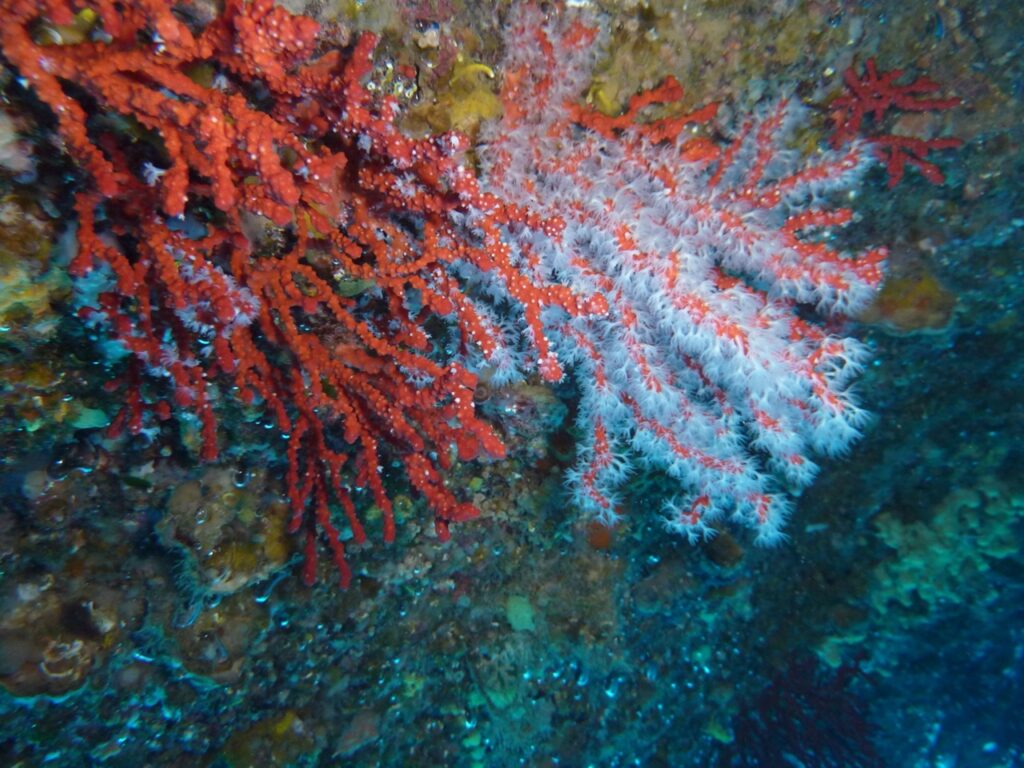
Mediterranean red coral © S. Reynaud - CSM
The scientific partnership between Monaco’s Scientific Centre and the French luxury brand has just been extended until 2031, with promising discoveries to help preserve this endangered marine species.
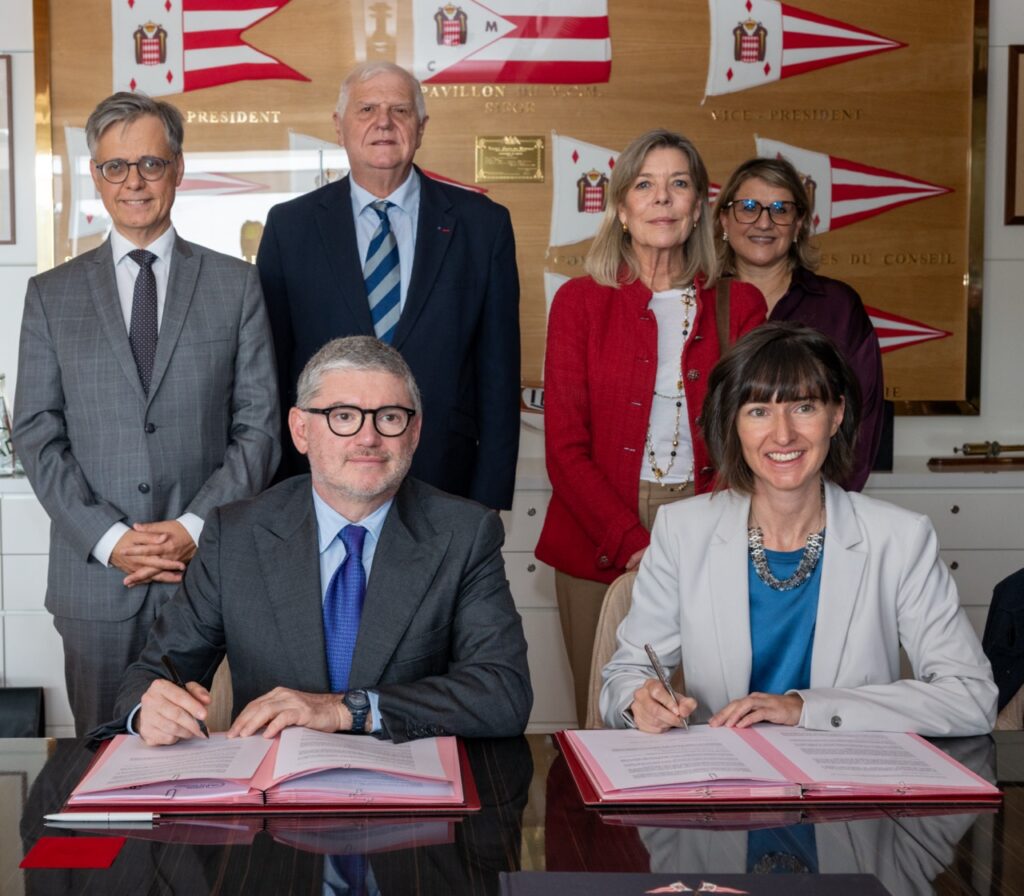
With Princess Caroline, chair of the research unit’s steering committee in attendance, the Centre Scientifique de Monaco (CSM) and Chanel – represented by Frédéric Grangié – recently renewed their collaboration, which began in 2019, for a further six years. The unusual alliance between public research and the luxury sector has a shared objective: to understand and protect red coral, a biological jewel of the Mediterranean.

Major scientific discoveries
The Precious Coral Biology Research Unit has published around twenty scientific studies since 2019, revealing previously undiscovered biological mechanisms. In particular, the researchers identified hormones that regulate the coral’s skeletal growth and discovered a complex microbial ecosystem, including previously unknown symbiotic fungi.
These micro-organisms play a vital role in coral nutrition and health, but become particularly vulnerable during marine heating events, compromising the species’ survival in the face of climate change.


Innovative underwater laboratories
The scientific team has developed an innovative approach by installing concrete structures at a depth of 40 metres in Monegasque waters. “We carried out experiments in underwater caves in the sea, which enabled us to test the optimum conditions for larvae to settle and young corals to develop,”explains Sylvie Tambutté, Scientific Director at the CSM. Experimental nurseries where 200 to 300 young corals are born annually in controlled conditions.

The initiative is part of the United Nations’ Decade for Ecosystem Restoration and could transform marine conservation methods. Two doctoral students will complete their theses at the end of 2025, ensuring that the crucial knowledge is passed on about red coral, a key species that is home to 20% of Mediterranean marine biodiversity.