







Charles Leclerc, Paul Pogba… how athletes are turning their image into a brand
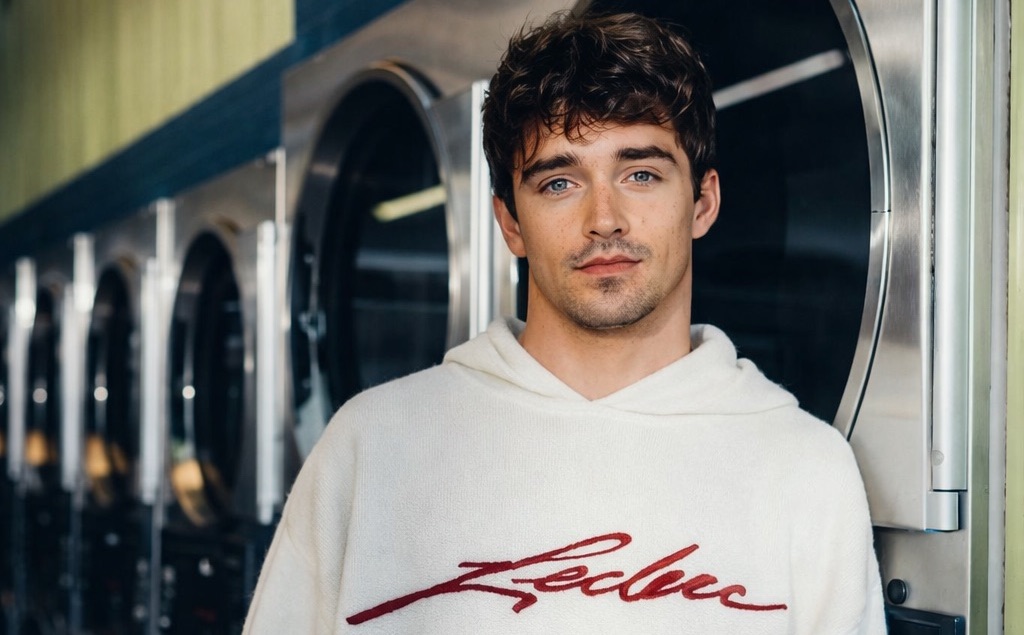
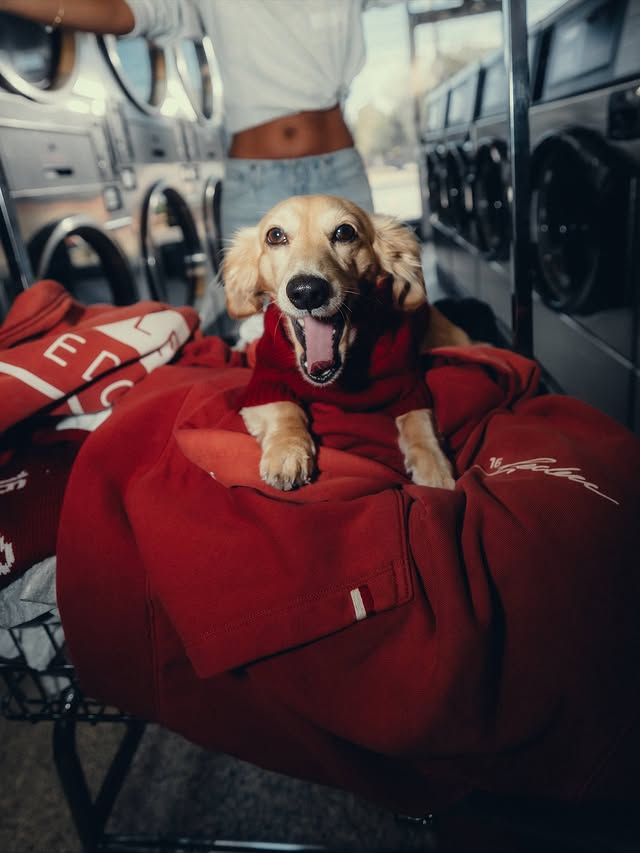
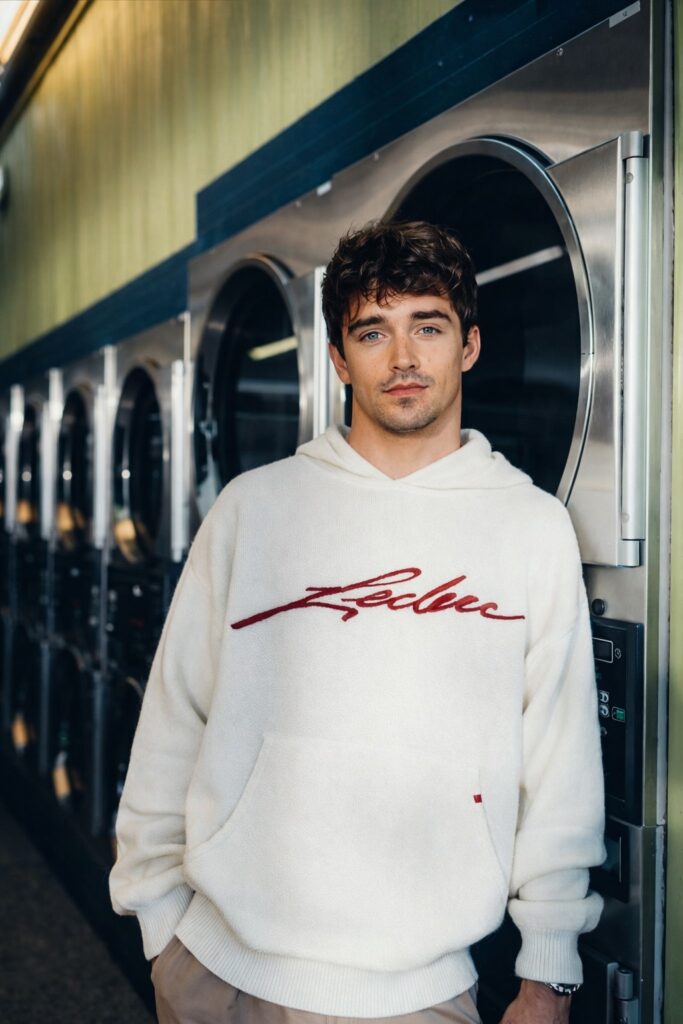
At the end of 2025, Charles Leclerc launched his own clothing brand, CL16 © Instagram – Charles Leclerc
From artisan ice cream to clothing lines and camel racing, athletes are no longer content with lending their face to brands — they are creating their own. We take an in-depth look at a phenomenon in which fame in sport becomes capital to be leveraged.
On 10 December 2025, an unexpected video appeared on Instagram. Paul Pogba, the AS Monaco midfielder, was not seen with a ball at his feet, but in the Saudi desert, alongside camels. The 2018 World Cup winner had just officially acquired a stake in Al Haboob, the world’s first professional camel racing stable. One month earlier, Charles Leclerc surprised fans by launching CL16, his clothing brand — a year after unveiling LEC, his artisan ice-cream label. Two Monegasque champions, two bold side ventures, and a shared logic: transforming a name into a commercial empire. How did these athletes move from celebrity status to becoming brands in their own right?
From fame to brand
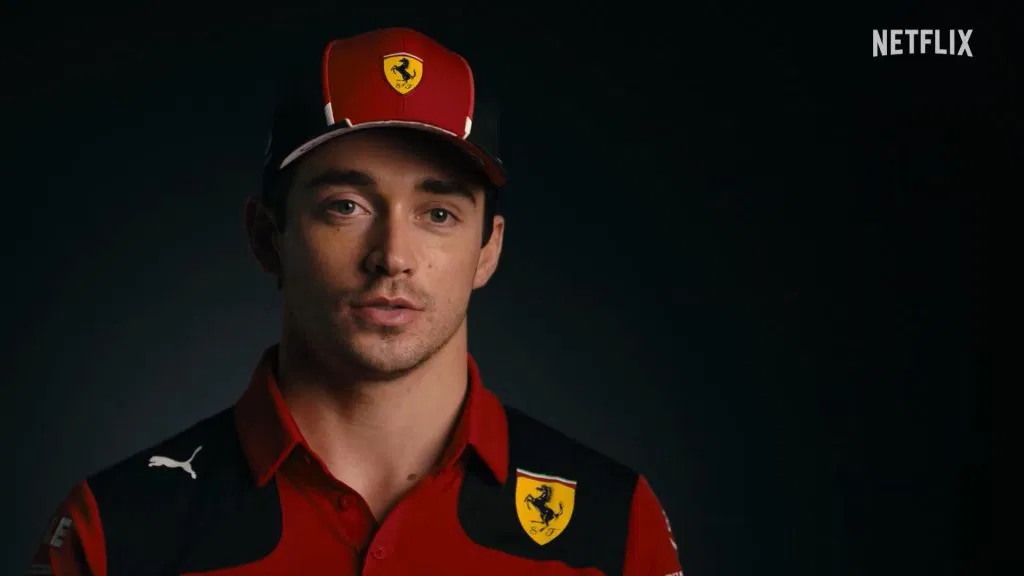
Before becoming a brand, athletes must first exist in the media space. This visibility, explains Jean-Philippe Danglade, professor at Kedge Business School in Marseille and a specialist in sports marketing, can be broken down into several layers. “Fame comes from the sport itself, membership of certain teams, performance and results.” Football — the world’s most global sport — or Formula 1, popularised by Netflix documentaries, offer unparalleled exposure. The French national team, Juventus, Manchester United — in Paul Pogba’s case — or Ferrari for Charles Leclerc: these institutions act as accelerators of fame.
This process is now amplified in the social media age. For athletes, digital reputation shapes an identity that goes beyond sport alone — what Stéphane Amato, a researcher in information and communication sciences, calls the shift “from brand-person to person-as-brand”*. The individual ceases merely to be associated with brands and becomes an autonomous commercial entity.
* Stéphane Amato, Communication & Organisation (2017)
Yet sporting fame, however vast, is not enough. At equal performance levels, what differentiates a marketable athlete from another lies in factors outside sport. “Style, physical appearance, look, a haircut, a catchphrase, the “dab” goal celebration,” says Jean-Philippe Danglade. “Paul Pogba perfectly embodies this alchemy. In 2016, at the peak of his career, he ranked among the athletes with the highest global marketing value, comparable to NBA stars.” Charles Leclerc operates in a different way. The researcher describes him as “the perfect son-in-law who never puts a foot wrong”: accessible despite the elitism of Formula 1, and propelled into the spotlight by the Drive to Survive series.
From ambassador to entrepreneur
The relationship between athletes and brands remains, in most cases, one-way. The athlete lends their face, receives a cheque, and the brand benefits from their fame. Marketing specialists refer to this as “endorsement” — a classic advertising contract: Roger Federer for Oliver Peoples, or more recently Kylian Mbappé for Nike. “The individual monetises their name and image for a company with its own sales objectives,” summarises Jean-Philippe Danglade. “The best-advised athletes adopt a selective ‘less is more’ strategy, working with fewer brands.” This approach allows for longer contracts, higher fees, and sometimes even equity stakes within partner companies.
The shift towards creating their own brand marks a rupture. “At some point, certain people have the potential to become brands and to think of themselves as such — a name, a logo, products. The celebrity then puts their own person and name on the line,” Danglade analyses. The consumer feels they are buying the champion’s product, not that of a company merely using them as a showcase.
Some people have the potential to become brands and to think of themselves as such.
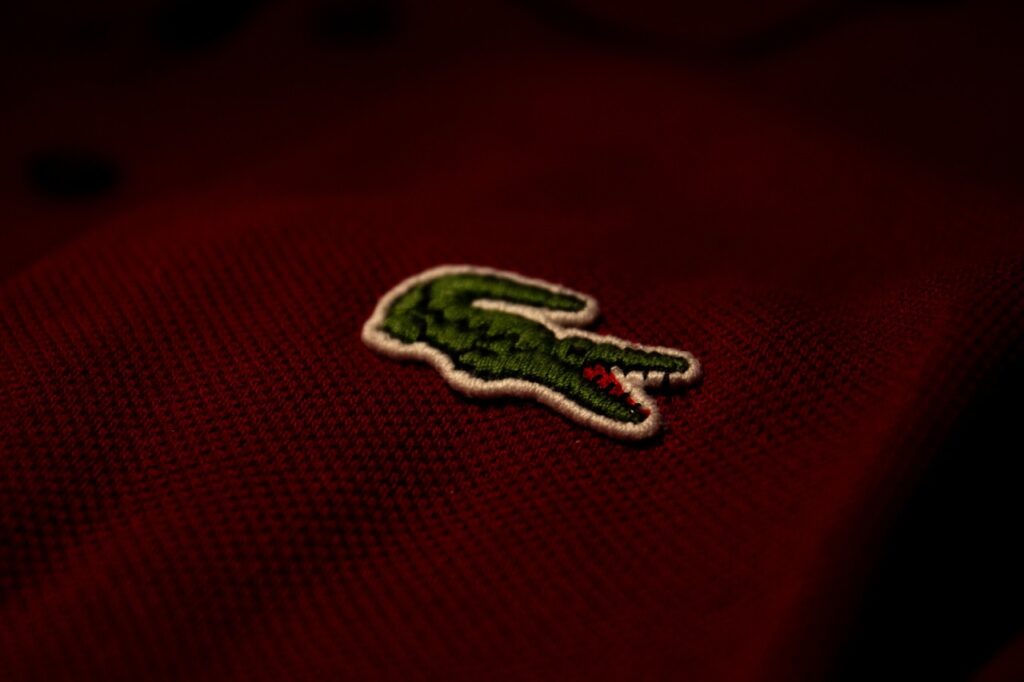
Sporting history is full of pioneers. In 1933, René Lacoste created the crocodile polo shirt. In 1984, Michael Jordan signed the deal with Nike that gave birth to Air Jordan — a brand that became autonomous, with its own logo and more than $5 billion in annual revenue, according to Forbes. But the past is also littered with examples where fame failed to guarantee commercial success: David Douillet and his fitness equipment, Tony Parker and his struggling ski resort. “There are more failures than successes, because that’s also the reality of entrepreneurship,” Danglade tempers. Fame offers a head start, but it guarantees nothing against market forces.
When the image falters
For the marketing expert, the trajectories of Charles Leclerc and Paul Pogba provide two revealing case studies. “The difference between the two — as with any athlete — likely lies in their entourage, the way their affairs are managed, good and bad influences,” he explains.
On one side, the Monegasque driver enjoys immense public goodwill. “Someone people can identify with, a very handsome man who announces his marriage and carefully selects his contracts,” says Danglade. His partnerships with brands such as APM Monaco — particularly popular on the Chinese market, as highlighted by Monaco’s ambassador to China, Marie-Pascale Boisson, in an interview with Monaco Tribune — fit within a coherent overall strategy.
On the other, Paul Pogba’s more flamboyant personality has followed a more circuitous path. Recruited by AS Monaco after a doping suspension and several difficult years marked by highly publicised family issues, the midfielder has nevertheless retained remarkable pulling power. “What happened to him over four years would have destroyed anyone else’s image,” Danglade acknowledges. And yet, when he signed for Monaco, shirt sales soared. That same year, he launched his streetwear brand MDXCIII and jewellery line Unbreakable. Such resilience speaks to an appeal to fans that transcends controversy — but also to the volatility of an image that can shift at any moment.
Athletes: unique marketing tools
Athletes occupy a distinct position within the marketing ecosystem. They are neither influencers nor traditional brands. “Celebrities are followed by millions of people, but that fame is difficult to translate into direct influence over a product,” explains Danglade. Influencers, by contrast, possess sector-specific expertise and can demonstrate measurable sales impact. An athlete, however famous, does not automatically enjoy that credibility.
Nor do they have the resources of a brand. “Building a distribution network takes time and is extremely costly. Large companies have employees and cover the entire value chain,” the specialist notes. Tony Parker understood this in 2014 when he partnered with La Halle after launching his own clothing brand, Wap Two.
One constraint above all sets athletes apart: the brevity of their careers. “The most distinctive element of an athlete is the duration of their professional activity,” Danglade reminds us. “Even with exceptional longevity such as Djokovic, LeBron James or Cristiano Ronaldo, most careers end around the age of 35.” This deadline forces athletes to think early about life after sport and to build the foundations of a second income stream alongside their sporting career.
The most distinctive element of an athlete is the duration of their career.
Perhaps it is this urgency that pushes some to take risks. Mathieu Flamini, former OM and Arsenal player, co-founded GFBiochemicals in 2008 — a bio-chemistry company whose valuation potentially makes him “one of the wealthiest athletes in post-career transition on the planet,” according to Danglade. Lukas Podolski has built a kebab chain in Germany. Bold bets, far removed from clothing or footwear — yet all pointing to a simple truth: for athletes, personal branding is not a luxury, but almost a necessity.

In Monaco — a place conducive to launching ambitious career strategies thanks to security and taxation benefits and a high concentration of influential figures — Charles Leclerc and Paul Pogba represent two distinct paths within the same phenomenon. One, methodical, patiently builds an empire consistent with his “ideal son-in-law” image. The other, more unpredictable, places bold bets in unexpected worlds. The question remains whether these strategies will withstand the test of time and the inevitable end of their sporting careers.