









The five essential cooking spices, according to a Menton-based expert
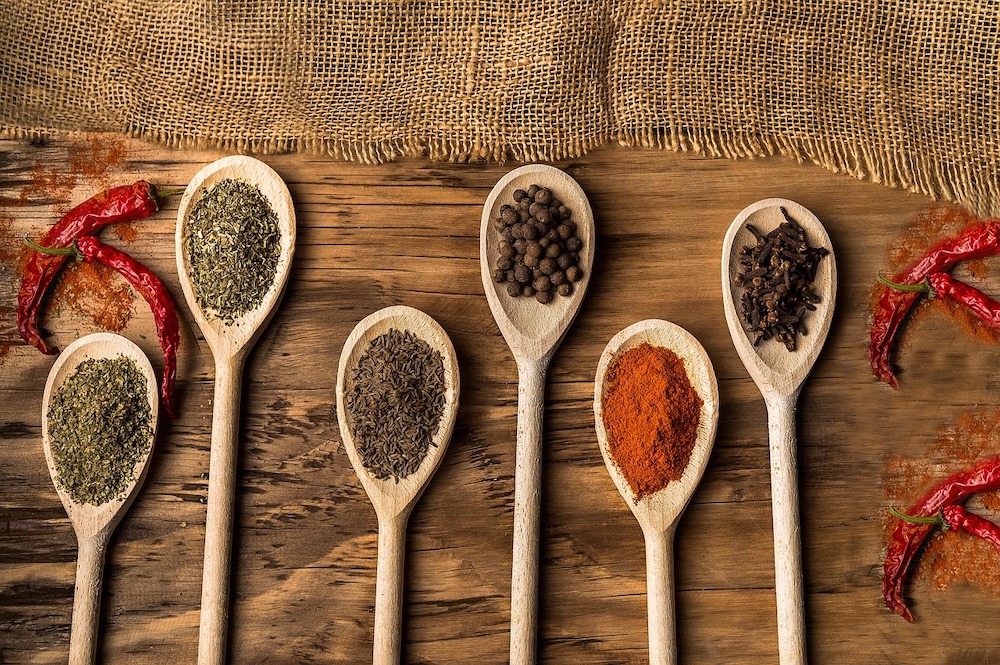
Pepper, cumin, turmeric or paprika: discover the must-have selection from a Menton-based expert © Pixabay
Turmeric, cumin, black pepper, paprika and herbs of Provence: Caroline Jacquenod, who founded La Palette aux Épices at the Les Halles Market in Menton in 2011, reveals her selection of essential spices and her tips on how to use them properly.
“The five spices that I consider essential in our cooking are versatile and can be used just as easily with meat, fish or vegetables,” Caroline explains. Her selection is based on a simple criterion: these spices must be able to adapt to both European and Eastern cuisine, whether in marinades or during cooking.
- Turmeric
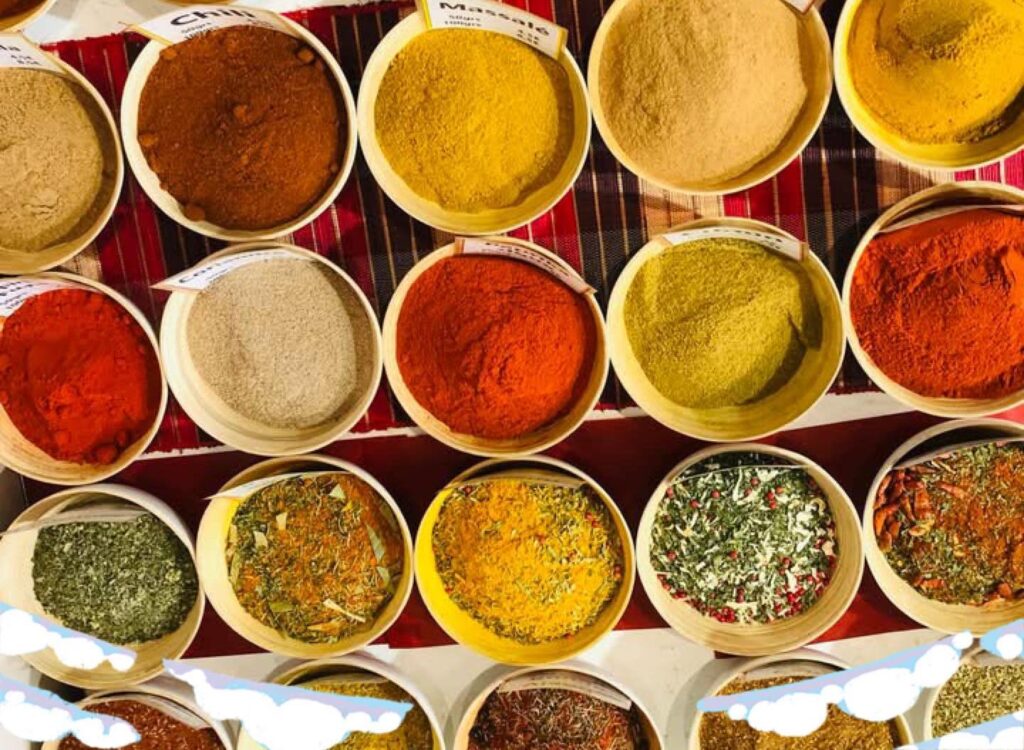
Also known as Indian saffron, turmeric is a rhizome renowned for its colouring properties. It naturally colours rice, soups and vegetables with an intense yet gentle yellow hue. “This cheap spice is an alternative to pure saffron, which is extracted from the crocus flower,” the shopkeeper explains. While saffron remains the reference spice for paella or risotto, with its ochre to red colour and greater aromatic intensity, its significantly higher price makes turmeric an accessible everyday option.
- Cumin
An Eastern spice with a pronounced flavour and greenish hue, cumin enhances many different dishes. It is notably used in couscous, courgettes, ratatouille or on grilled meats. “It is often used as an alternative to salt,” Caroline says. As a result, this spice is an interesting option for reducing sodium intake.
- Black pepper
A staple on every table, black pepper enriches dishes thanks to its flavour-enhancing power. “Depending on its country of origin, it offers a very interesting range of flavours for the palate, which can be more or less intense or aromatic.”
- Paprika
This powder obtained from dried orange or red peppers originates from Hungary. Paprika comes in several varieties: sweet, medium-hot or smoked. It is used to season minced meat in goulash (a Hungarian dish), to accompany poultry or to enhance a vegetable piperade. “Its great versatility makes it a very popular spice,” Caroline says.
- Herbes de Provence
The aromatic herbs of Provence form an essential blend of dried plants widely used in Mediterranean cuisine. This mixture, characterised by its freshness and aromatic intensity, subtly enhances barbecued dishes, plancha cooking or tomato-based sauces. In the Provence region, these herbs are among the most sought-after spices to complement curries, alongside the various peppers and specific blends for salads, white meats, vegetables and fish.
Expert advice
To recognise a quality spice, Caroline recommends paying attention to colour, texture and taste: “It is recommended to opt for loose products and, where possible, to carry out a tasting,” she advises. In terms of storage, spices generally keep for between one and three years at most. They should be stored in a dry, cool place, in airtight glass containers, to preserve their quality.
For beginners, Caroline suggests opting for homemade blends in order to explore different aromas, starting with a few pinches according to personal preference. The most common mistake? “Adding too large a quantity of spices can mask the taste of food, just as leaving them unused for too long in a closed container alters their quality.”
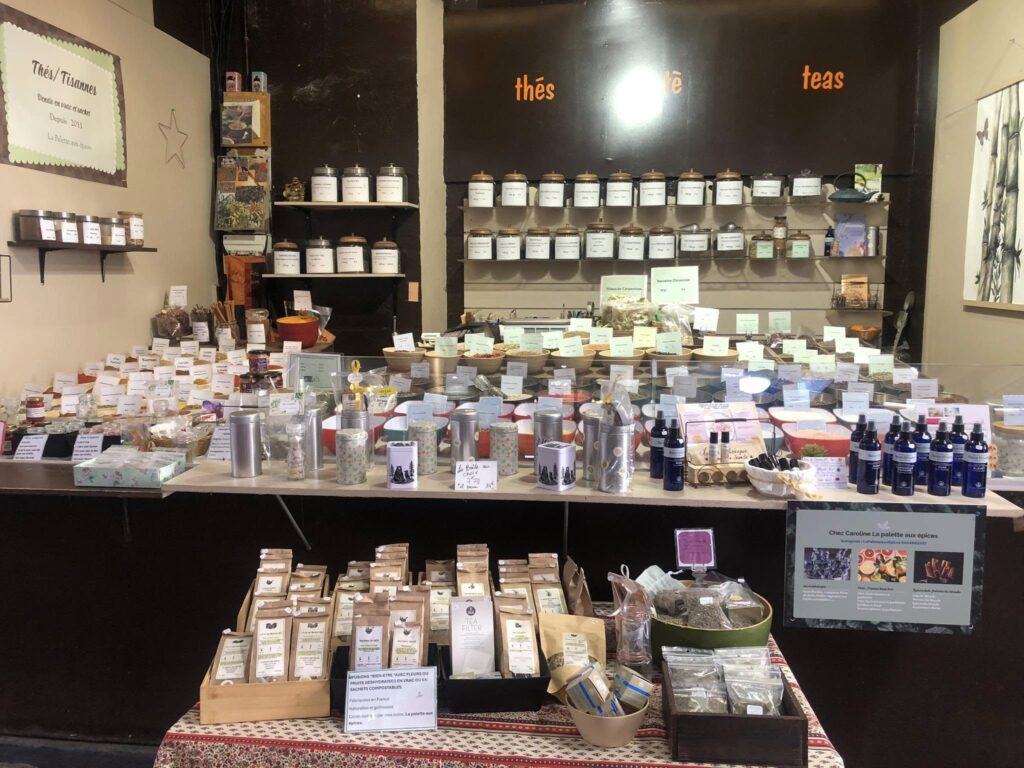
Caroline founded La Palette aux Épices in 2001, following a family takeover. After starting her career on regional markets as early as 1998, she opened her stall at Les Halles Market in Menton in 2011. Today, her shop offers a wide variety of peppers and salts from around the world, in addition to wellness herbal teas, everyday teas and aromatherapy products. Her grocery shop offers a broad range of items suitable for everyone, both for cooking and for health.